
The Federal Aviation Administration decided that this had to go. The drone "advocates" and "experts" went along for a gain in market share. Many of the Unmanned Systems currently in the United States Department of War's inventory were developed under AC91-57.
We had access to the existing ATC scheme that everyone else did. Call the tower and tell them where you when you were going to fly. The only problem with this service is that ATC didn't get paid for phone calls to the towers. See the rub?
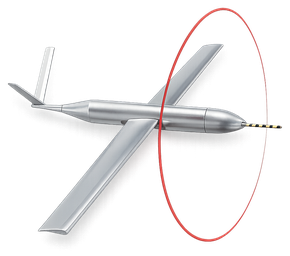
ScanEagle and most of AV's stuff, including Switchblade. Aerosonde, Gnat, V-BAT, et al, were developed using RC parts and under this AC91-57 guidance. There were many more viable systems produced by domestic companies that were put out of business overnight in February 2007 due to the FAA's arbitrary policy clarification.
Most advocacy groups, including the Academy of Model Aeronautics, went along for a chance to monetize the new scheme. They purportedly held a gleeful meeting in the office, warning staff to get ready for a million paying members and that they would follow the ASTM International yearly subscription model for their safety code. The Remote Control Aerial Photography Association (RCAPA) was the only org that said NO!
AUVSI went along with it because the diamond and platinum members ran the show for $11k a year wanted to lock out upstarts. They also thought they'd be able to get in on the CBO action too. The TOP program, like many of the other schemes, is designed to fleece the membership first. That leopard has yet changed its spots as the benefit of the membership is secondary.
Industry experts directly conveyed misgivings to FAA managers during the sUAS ARC that ham-fisted regulation would severely hamper US Unmanned Systems innovation, and that many of the aforementioned systems would not exist under the proposed approach.
Anyone looking for "file and fly" relief from Part 108 is going to have their hopes dashed. The US needs regulation that fosters innovation, not perpetuate stagnation.